01
Alpacas
The proposed herd gives the terraces a practical agricultural use and a daily rhythm of husbandry. Fencing, shelter, water, grazing and animal welfare come before visitor experience.
Vallico Farm · Apuan Alps · Tuscany
Alpacas, old terraces, woodland and social agriculture — the working half of the Vallico experiment.
The idea
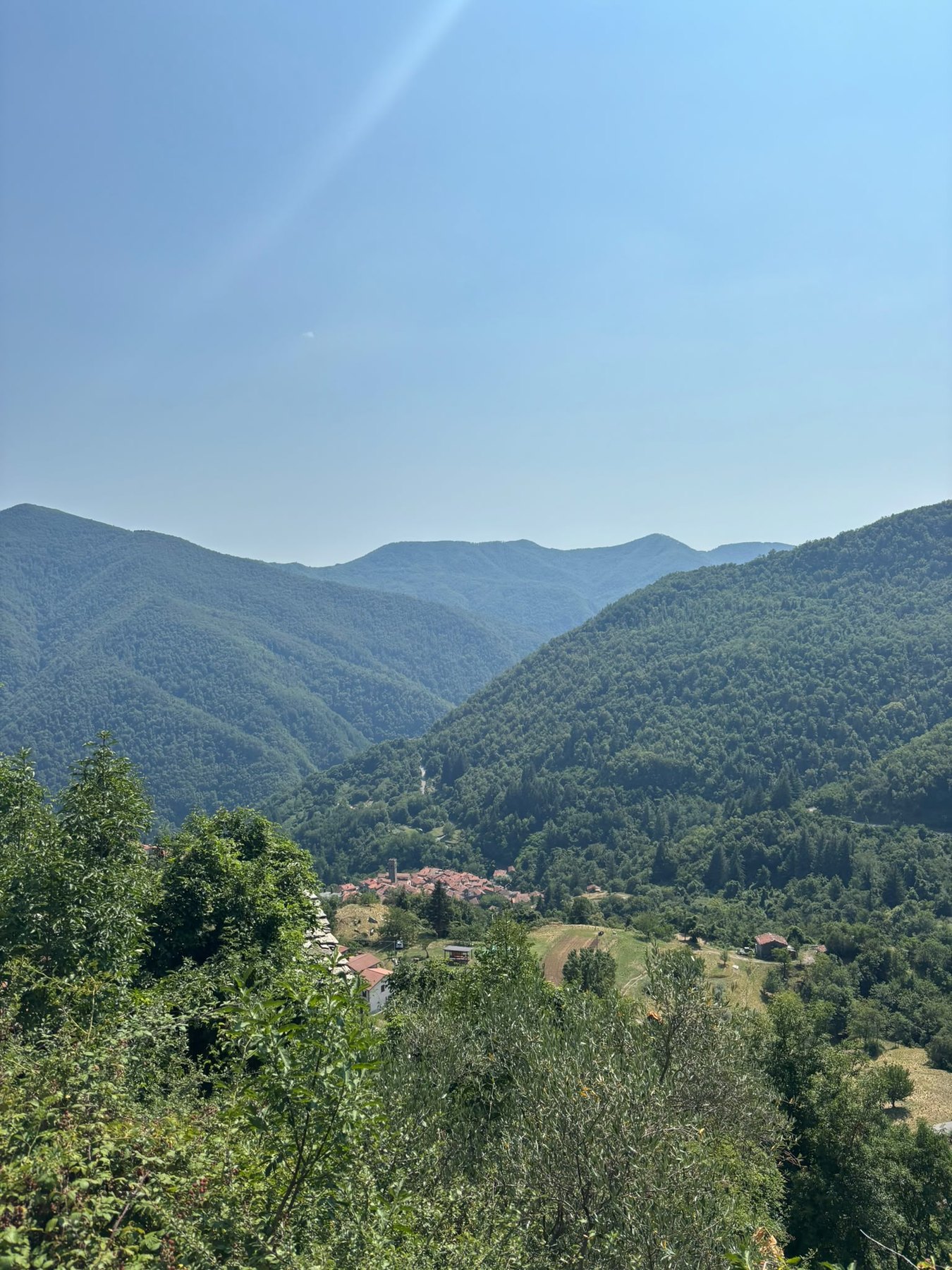
The slopes above Vallico are shaped by old agricultural terraces. Once cultivated and maintained, many have been progressively taken back by woodland as the village population has fallen.
Vallico Farm is being established to put some of that land back to work: first through an alpaca-rearing enterprise, alongside simple crops and practical care of the terraces and forest.
The point is not to reconstruct an imaginary rural past. It is to find a useful future for a real mountain landscape.
The animals
The Vallico herd does not exist yet. These photographs were taken during a visit to an established alpaca farm in winter 2025–26 — an early glimpse of the kind of work the project is being built around.
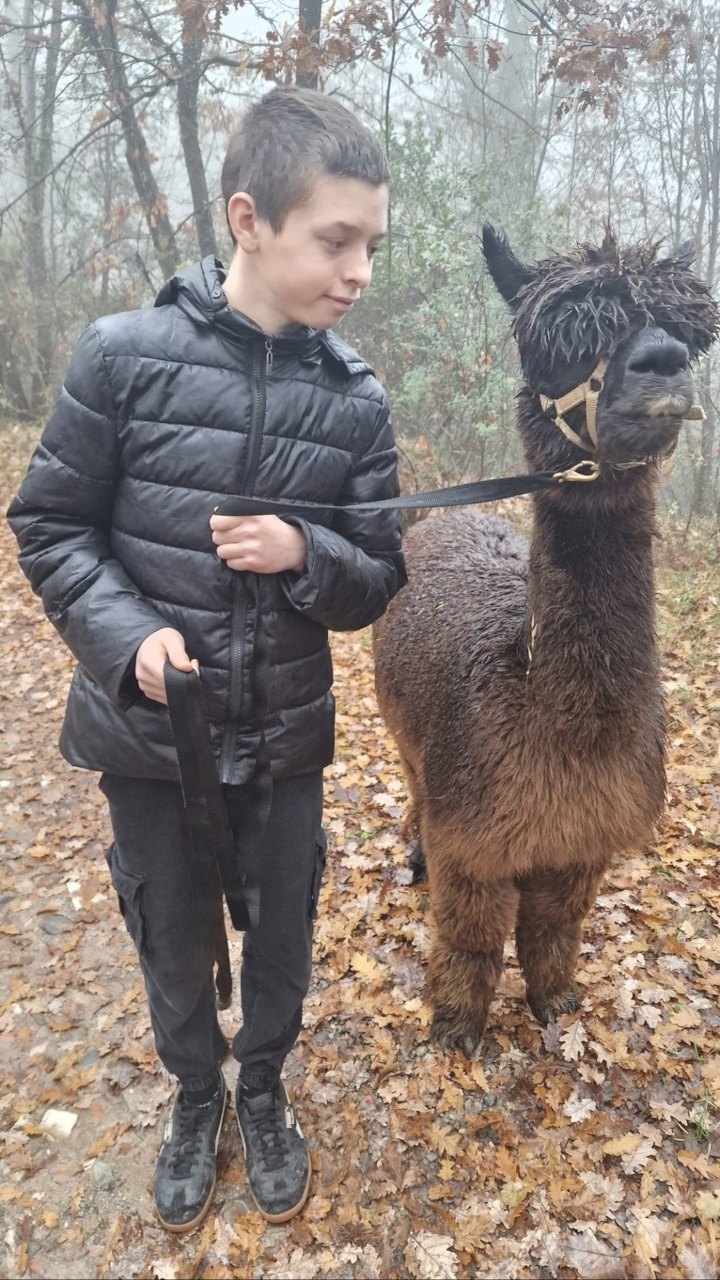
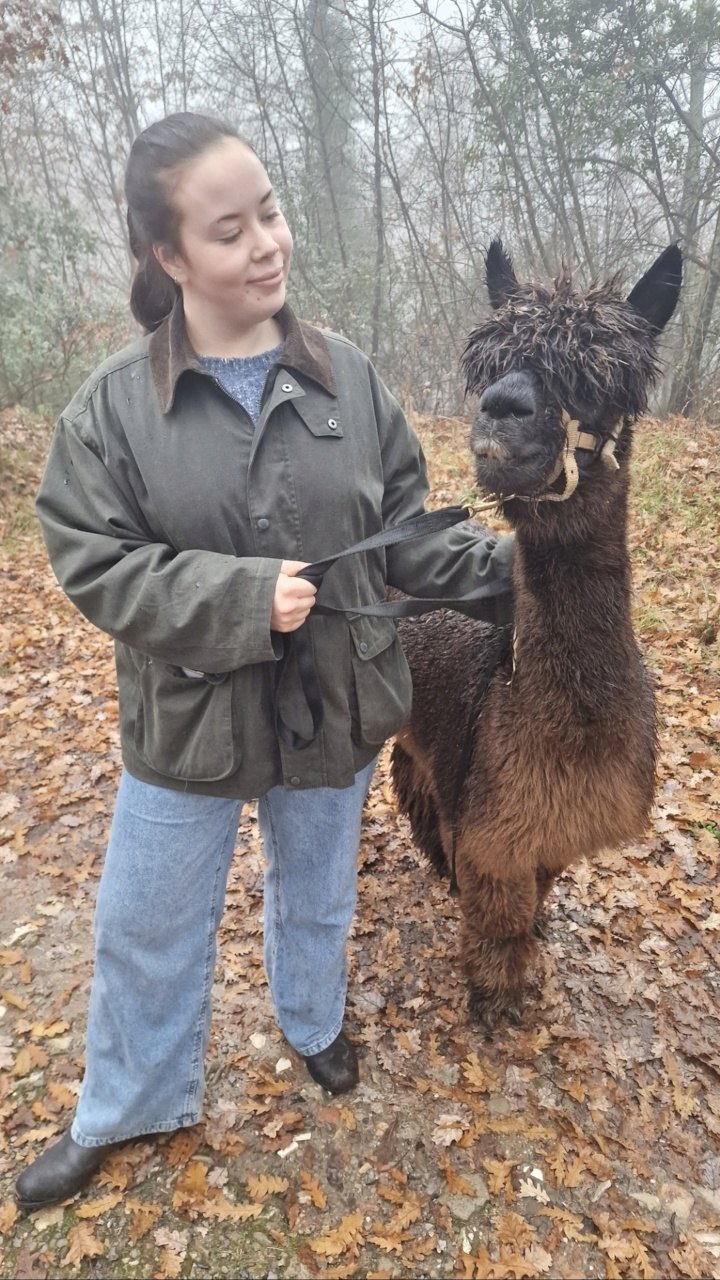
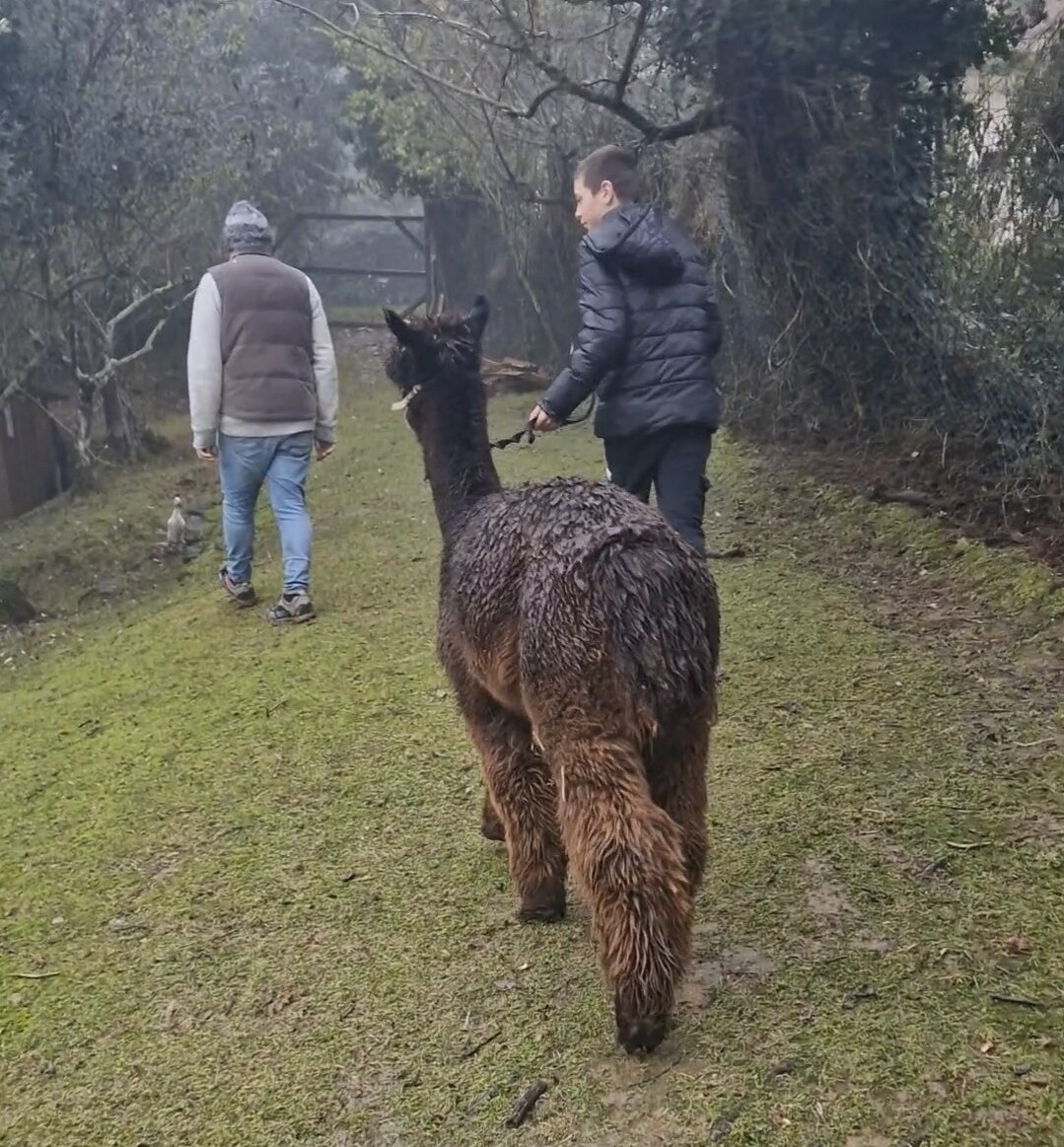 Jamie · winter 2025–26
The working plan
The proposed herd gives the terraces a practical agricultural use and a daily rhythm of husbandry. Fencing, shelter, water, grazing and animal welfare come before visitor experience.
Alpacas are sheared for their fleece. In time, fibre from the Vallico herd could be processed into high-quality warm garments and other useful products — another way for the animals to form part of a genuine agricultural enterprise.
Former agricultural ground will be brought back into active management, with grazing, fruit trees and simple crops where appropriate. The dry-stone landscape survives by being used, not merely admired.
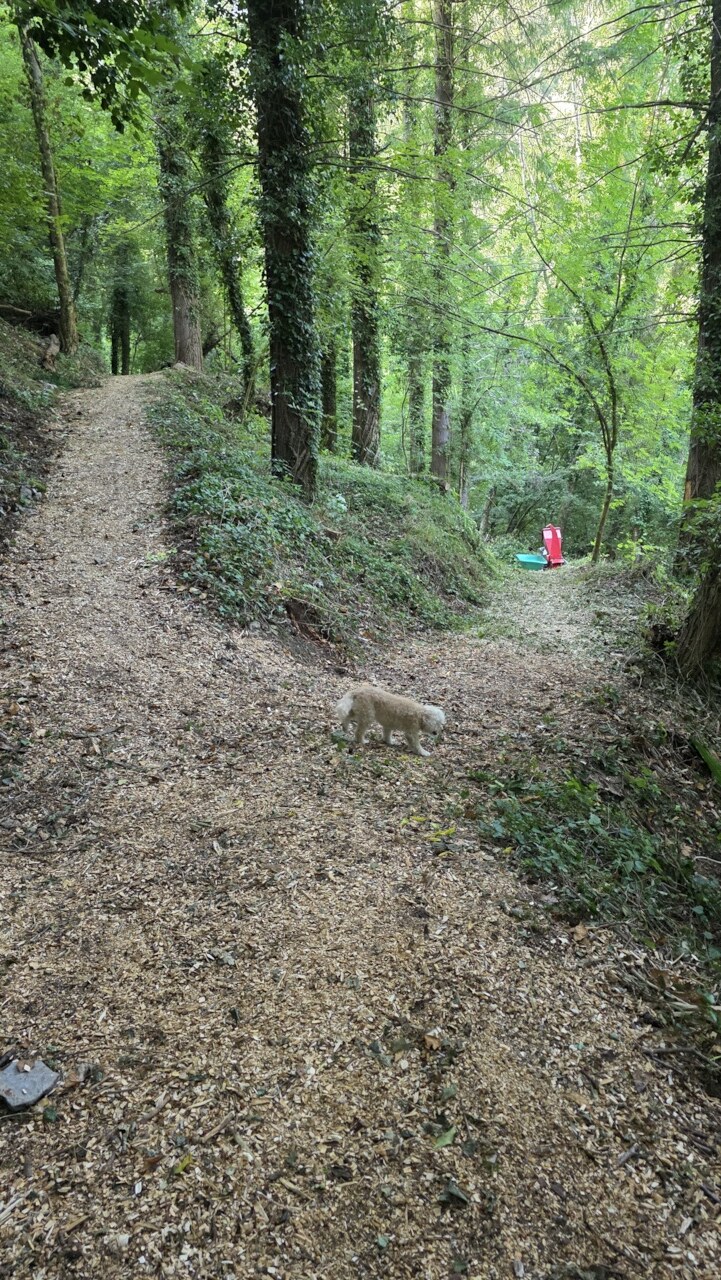
Forest maintenance is part of the same work. Paths are already being cleared, while the longer project reaches farther into adjoining woodland and the river valley.
Already under way
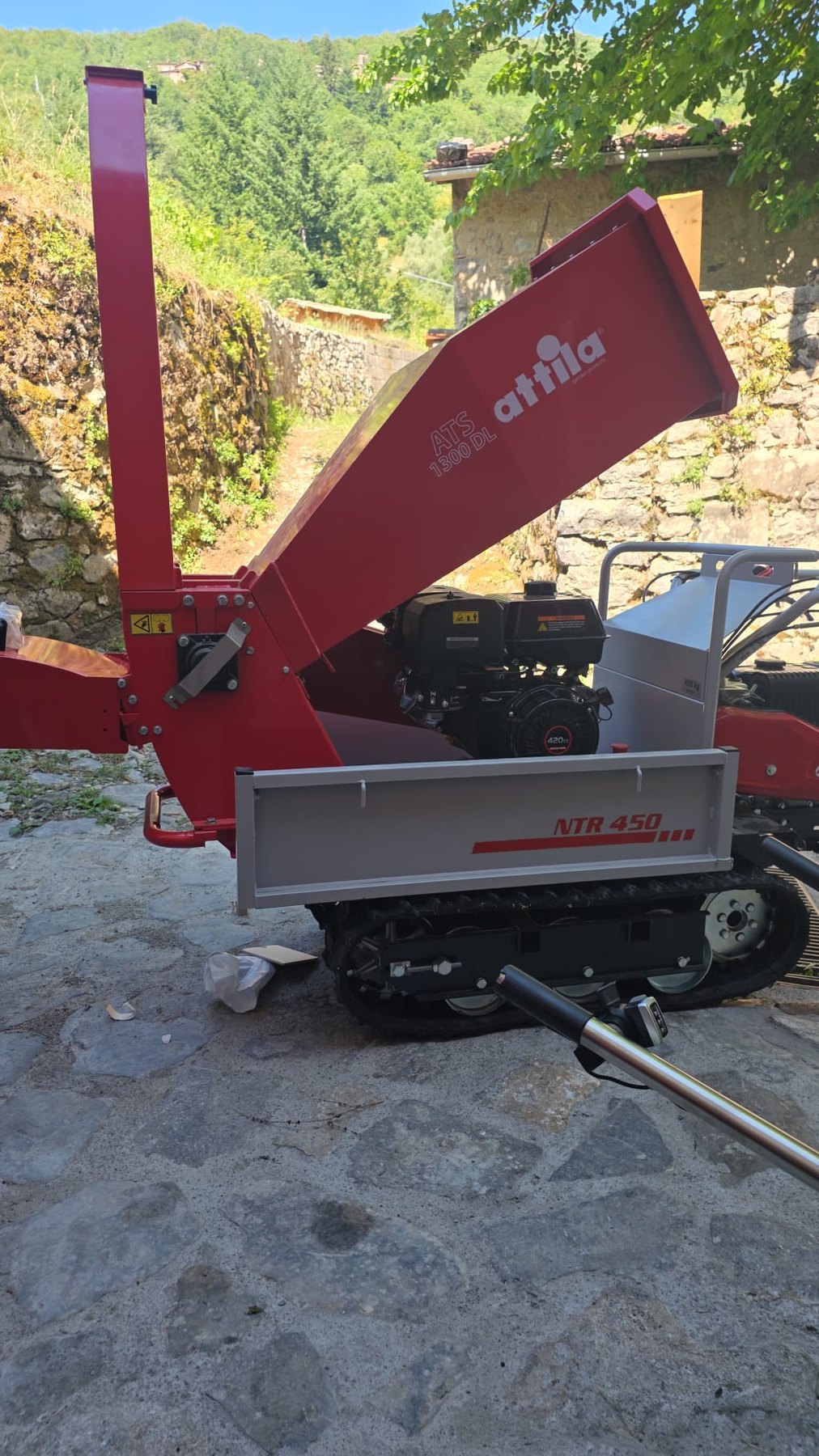
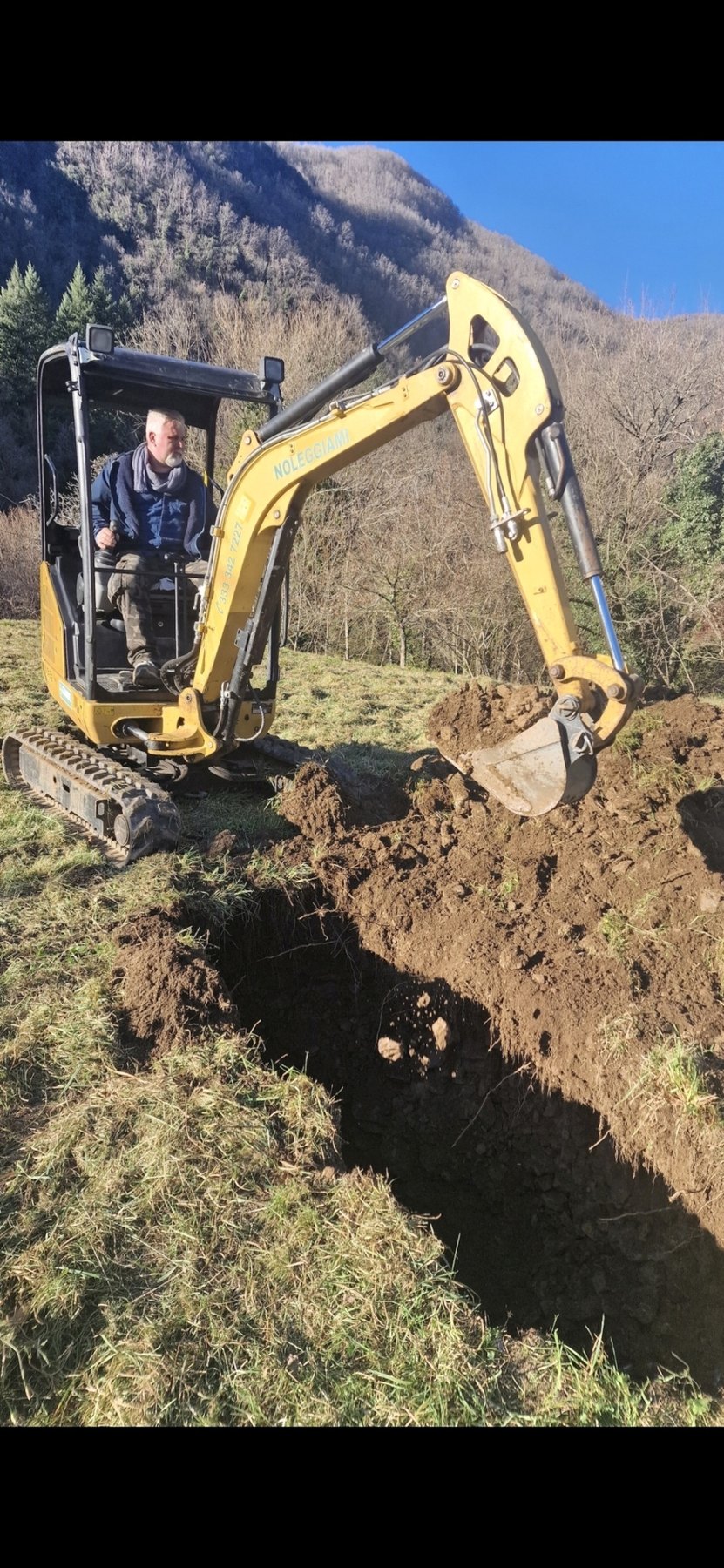
The Farm is still being established, but practical work on the land is not hypothetical. Paths and overgrowth have to be cleared, branches chipped, grass and scrub cut, walls and access maintained, and ground moved where necessary.
The machinery is less picturesque than an alpaca. It is also part of what makes this a working project rather than a rural mood-board.
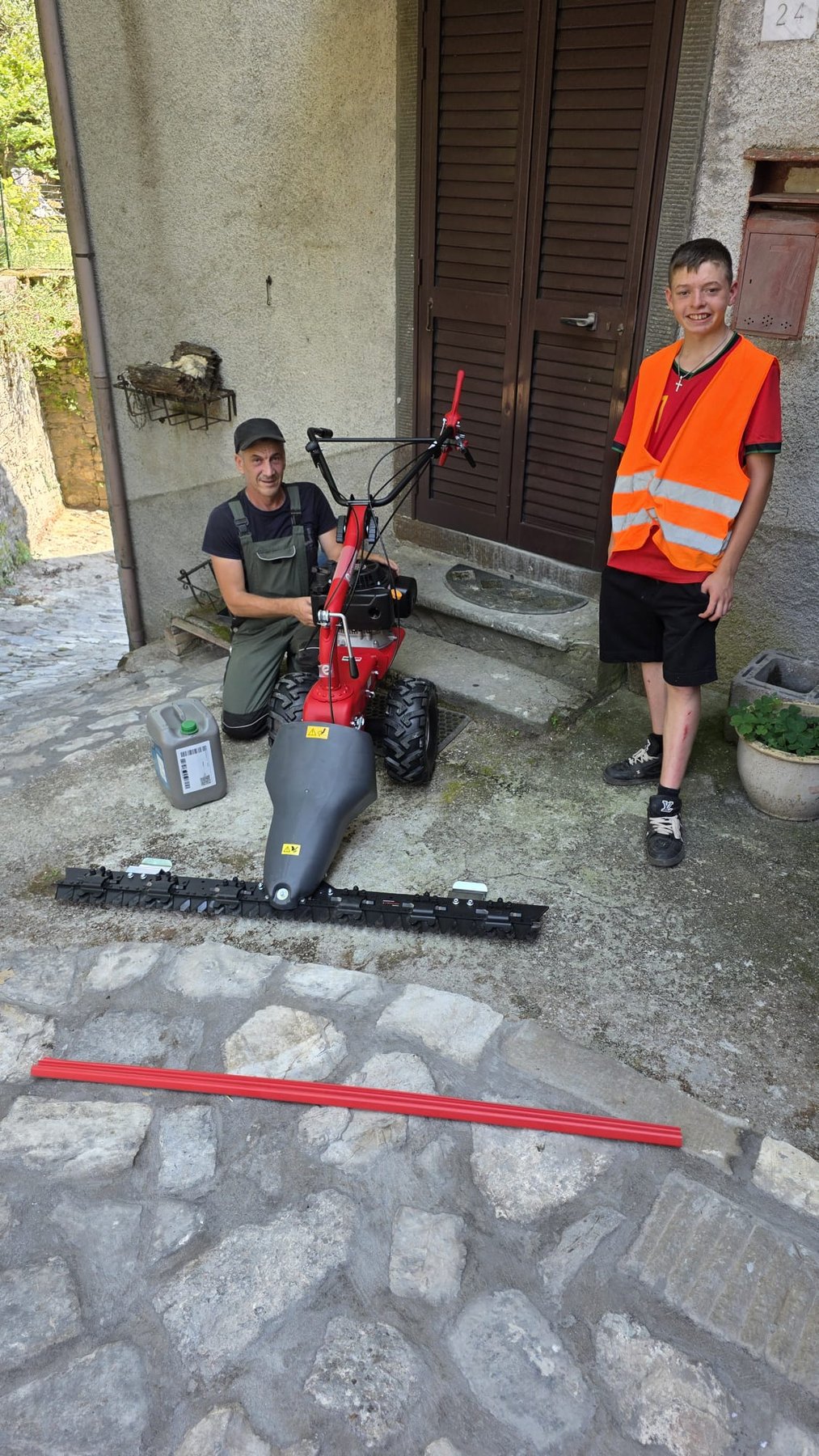
Up the mule trail
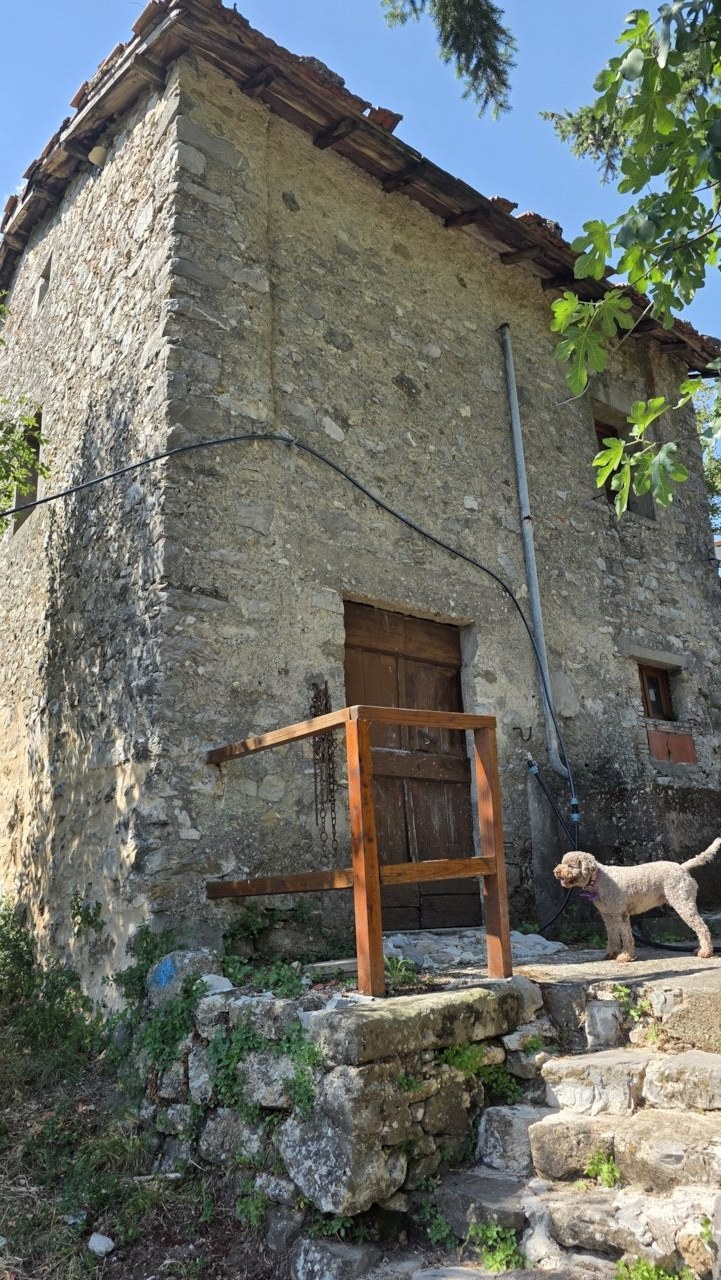
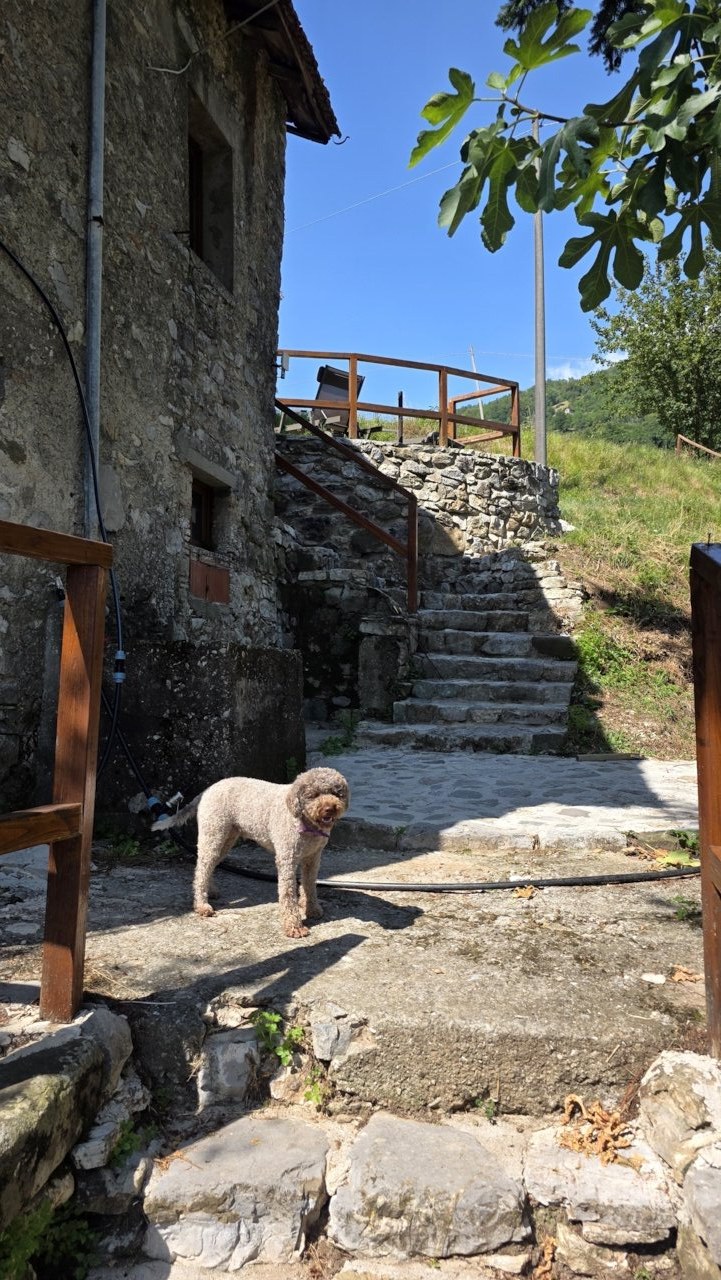
Above the main Academy buildings, reached by the old mule trail, an existing two-storey stone farmhouse sits among the land that will form part of the Farm.
The lower floor is practical working space: storage for agricultural machinery, tools and equipment. Upstairs has already been restored as a comfortable room with sofas, a wood-burning stove, sink and simple cooking facilities, archery equipment, a small screen and projector — plus the sort of eccentric objects that tend to accumulate at Vallico, including three mounted African animal heads.
In time, the upper floor could become a small Farm café and visitor room: somewhere for coffee, cake and refreshments, information about the alpacas and perhaps short films on the animals and their care. Any sale of alcoholic drinks would, of course, depend on the appropriate permissions.
Its walls, steps and terraces make the agricultural side of the project physically distinct from the Academy without separating it from village life. It is a short walk uphill, not another institution.
Current photographs are provisional; the farmhouse and its restored upper floor will be professionally photographed as the site develops.
A landscape made by work
For centuries the mountain was crossed on foot and by mule. Goods moved along these tracks; stone walls held the slopes; cultivation kept the woods back.
The Farm cannot restore the old economy, and should not pretend to. But maintaining paths, terraces and woodland can keep some of that human-shaped landscape alive and useful.
Beyond the terraces
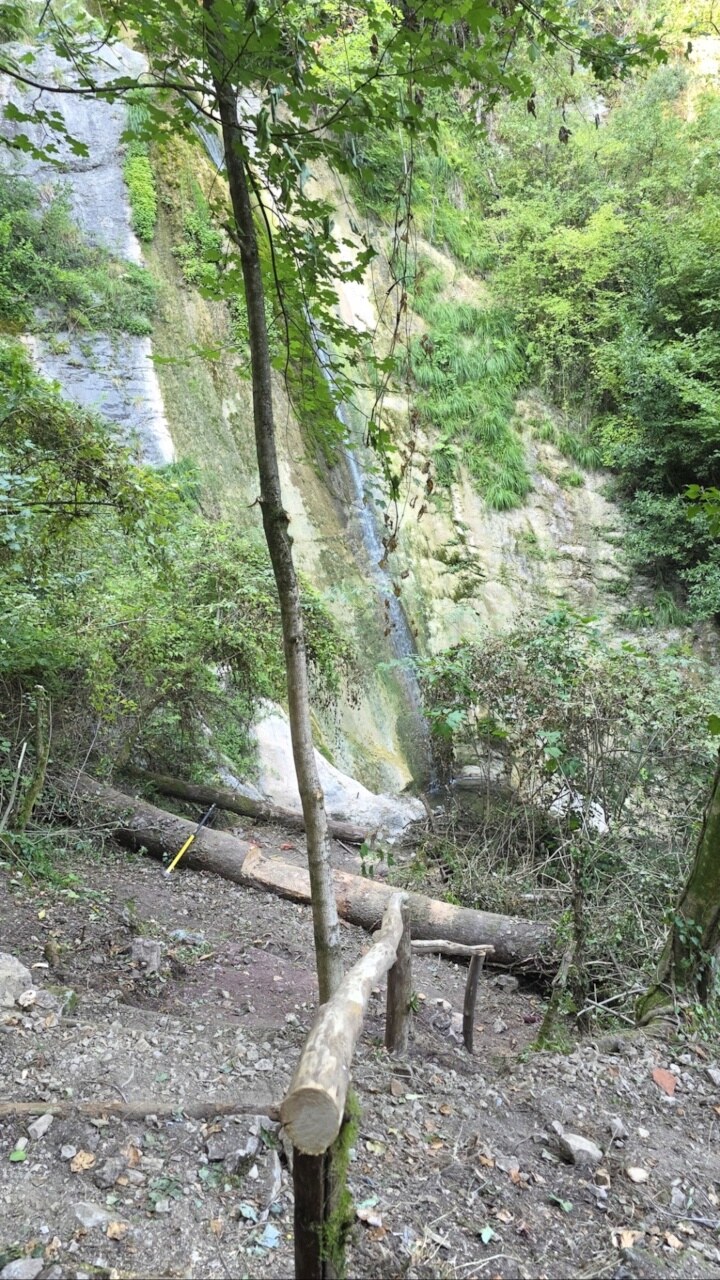
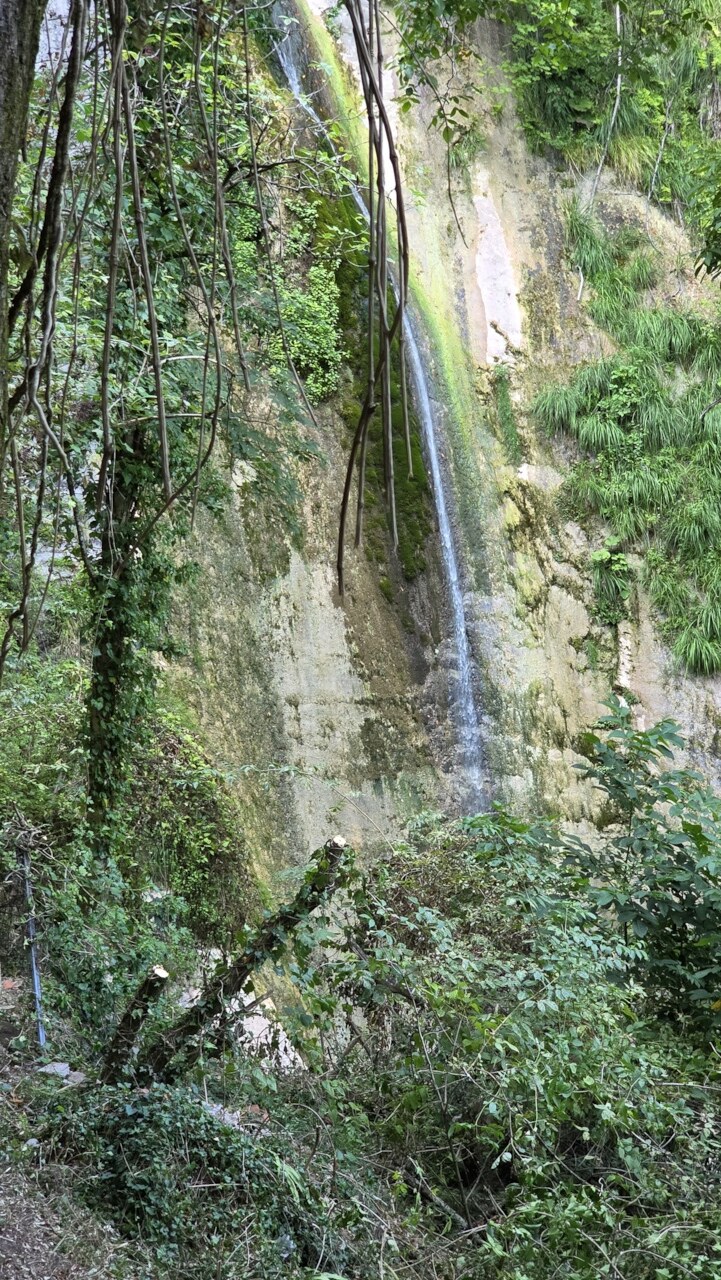
The longer-term plan includes acquiring adjoining land to create a forest walk beside the river to the nearby waterfall.
Early work is already under way on the descent: one photograph shows steps being built through the woods toward the falls; the other shows the lower waterfall the route is intended to reach.
The path is a plan in development, not yet a finished visitor attraction.
Academy + Farm
The Academy and Farm are not adjacent projects sharing a logo. They are intended to affect one another.
Academy residents may, if they wish, take part in the life of the Farm and village. The Farm brings physical work, animals, seasons and practical responsibility into a place devoted to thought. The Academy brings visitors, conversation and a wider community into a working landscape.
No one has to shear an alpaca in order to think properly. But the possibility of stepping out of a difficult argument and doing something tangible may be part of what makes Vallico different.
Explore the AcademyIn development
Terraced grazing land identified; farmhouse and existing site in place; paths and vegetation already being worked; machinery on site; agronomic and regulatory planning for the alpaca enterprise prepared with a registered agronomist.
Around ten new fruit trees are planned for planting on the terraces — a small but tangible return of cultivation to land that has spent years being reclaimed by scrub and woodland.
Fencing, animal shelter, accessible facilities, establishment of the herd, practical terrace management and partnerships in social farming.
Further woodland work, simple crops, development of the farmhouse visitor room, the proposed forest-and-waterfall route, and — with suitable partners — opportunities for other young people who could benefit from purposeful supported work.